
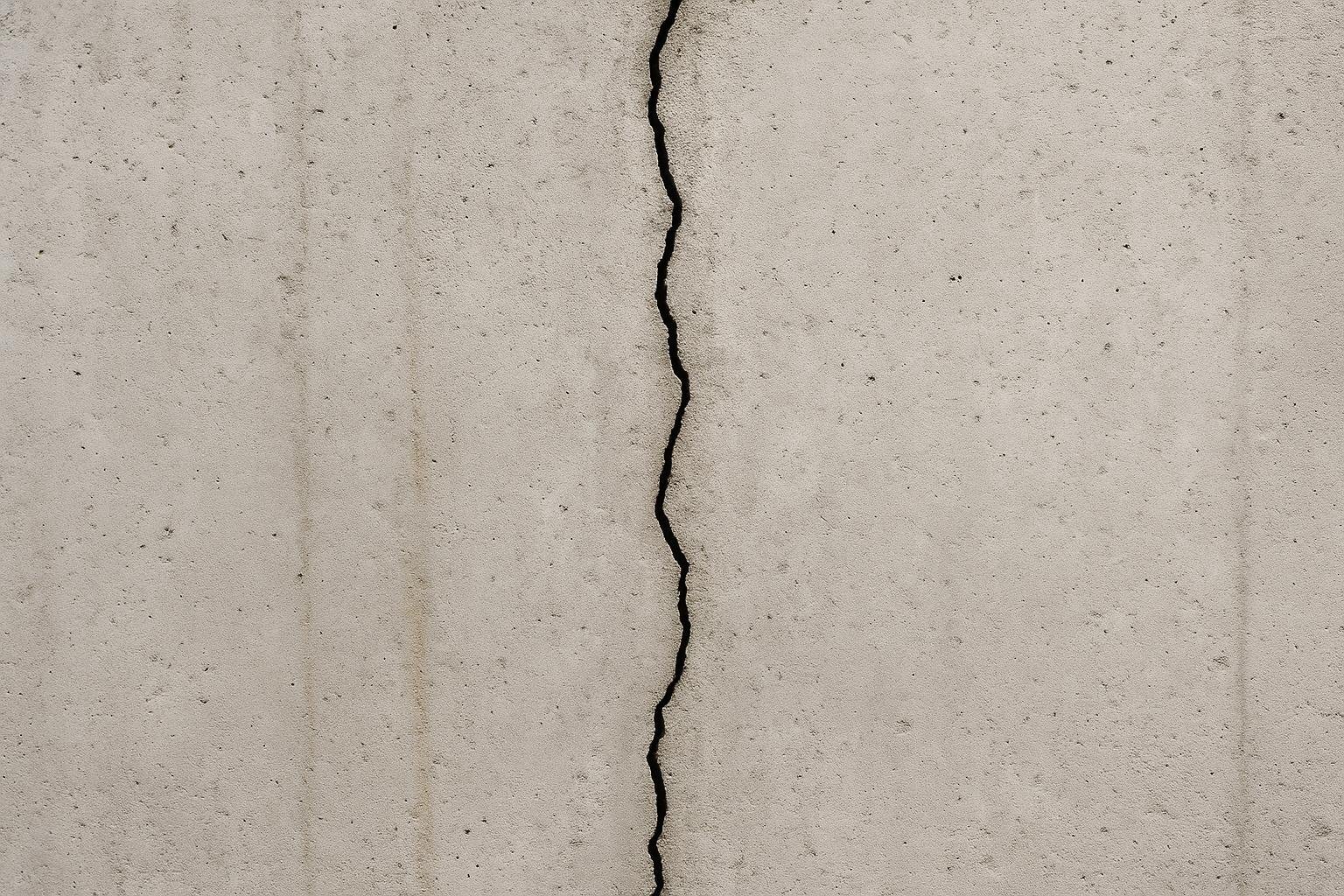
A crack appears across the tile floor. One bedroom door suddenly sticks, or a home inspector points to separation near the garage. You might wonder whether your Sarasota house is settling, whether the damage is structural, and whether you can afford to repair it before selling.
You can potentially sell a house with foundation problems in Sarasota, FL without completing repairs first. The practical challenge is finding out what the evidence actually shows, disclosing known material defects, and choosing a buyer whose financing and contract can accommodate the condition. A surface crack, a confirmed engineering defect, and an insurer-verified sinkhole loss are different situations. Confusing them can lead to unnecessary costs or closing problems.
This guide explains how Sarasota homeowners can evaluate foundation concerns, understand Florida insurance and disclosure rules, compare repair-versus-sale options, and calculate realistic proceeds before deciding what to do.
Can You Sell a Sarasota House With Foundation Damage As-Is?
Generally, yes. Florida does not automatically prohibit the sale of a home because a foundation has cracks or needs structural repairs. An interested buyer can agree to purchase the property in its existing condition, subject to applicable laws and contract terms.
But “as-is” is not a promise that every buyer can close. A lender may require an engineer’s report or completed work, an insurer may have underwriting concerns, and a contract may allow a buyer to cancel during its inspection period. The seller must also disclose qualifying known material defects, even when repairs are not part of the deal.
Before selecting a selling method, distinguish an observation from a professional diagnosis. That difference can materially affect both price and the pool of qualified buyers.
Foundation Warning Signs Worth Investigating Before Listing
Not every crack indicates a failing foundation. Still, certain patterns justify closer examination, particularly when they are new, widening, or accompanied by movement elsewhere:
- Stair-step cracking in masonry or separation between walls and adjoining surfaces.
- Sloping or uneven floors, displaced tile, or gaps around baseboards.
- Interior doors and windows that suddenly bind or no longer latch.
- A slab crack with noticeable vertical displacement.
- Water collecting near the perimeter, persistent erosion, or washed-out soil.
- A detached patio or garage slab that appears to have shifted relative to the house.
Photograph locations, record dates, and note whether the problem changes after heavy rain. Do not claim that a crack is cosmetic merely because it is narrow; do not call it a sinkhole because it looks alarming. If an area appears unstable, restrict access and seek professional safety advice immediately.
What Causes Foundation Problems in Sarasota?
Sarasota’s properties vary by age, construction, elevation, drainage, and site preparation. Possible contributors include soil consolidation, poorly compacted fill, leaking underground pipes, changes in moisture, surface-water drainage, and construction defects. A slab-on-grade house may show distress differently from a home on another foundation system.
The Florida Geological Survey’s sinkhole FAQ identifies broken drains, decaying buried material, and improperly compacted soil among conditions that can cause ground subsidence without a verified sinkhole. A homeowner cannot determine the cause from a photograph alone.
For coastal or low-lying properties, water management may be especially relevant. Check site grading and drainage, but avoid assuming that the property’s flood-zone designation explains its cracking. The diagnosis must be specific to the house.
Is a Cracked Foundation the Same as a Sinkhole?
No. A foundation crack is an observed condition. A sinkhole is a particular geological process involving subsidence into voids created as underlying rock dissolves. Most cracks have not been shown to result from that process.
Florida’s Department of Environmental Protection cautions that reported subsidence incidents are not necessarily verified sinkholes. Its statewide reports are not a parcel-specific guarantee of safety or proof of underground activity. Likewise, a neighboring property report does not establish the cause of movement at your address.
A qualified professional engineer can evaluate structural distress; a professional geologist or appropriately qualified engineering team may be needed for suspected sinkhole activity. Avoid advertising “sinkhole damage” unless reliable testing actually supports that description.
Safety comes first: if new ground openings, pronounced movement, or serious building instability create a risk of harm, stay clear and contact the appropriate emergency authorities before arranging showings.
Should You Hire an Engineer Before Selling?
An engineer’s evaluation can help replace speculation with evidence. Ask for a written assessment that describes observed damage, likely causes or uncertainties, recommended further testing, safety concerns, and whether stabilization or other repairs are appropriate.
For example, imagine a Sarasota homeowner discovers a slab crack near a plumbing line repaired last year. Before accepting an expensive stabilization estimate, the owner obtains an independent engineering assessment. If the report identifies localized movement related to drainage or plumbing, the necessary work may differ from whole-house stabilization. If it documents structural damage, the homeowner can use those findings to evaluate repair estimates and disclose the condition accurately to prospective buyers.
A general home inspection may identify troubling cracks but typically does not establish geotechnical causes. A foundation-repair contractor may offer useful estimates, yet a seller benefits from understanding whether the recommended work reflects an independent technical assessment. The Florida Geological Survey distinguishes the roles of inspectors, engineers, and geologists when investigating suspected sinkholes.
Confirm engineer credentials through the Florida Board of Professional Engineers. Keep the full report, not just the estimate. Buyers may interpret an incomplete description more negatively than a clear report that explains what is known and what remains uncertain.
Don’t Start Expensive Repairs Without Defining the Scope
Foundation work may involve drainage correction, plumbing repairs, stabilization, structural repair, floor restoration, or combinations of these. An estimate for one part of the project is not automatically a complete solution.
Ask each qualified contractor to identify the condition addressed, engineering basis, excluded work, permit responsibilities, warranty terms, and whether inspections are necessary. Check licenses using Florida DBPR’s contractor-verification guidance.
If one estimate calls for extensive underpinning while another recommends improving drainage, do not choose based solely on price. Resolve the difference with appropriately qualified expertise. A repair that hides cracks without addressing underlying movement may not satisfy a buyer or prevent further damage.
Selling without repairs can be reasonable; ignoring an immediate safety hazard is not.
City of Sarasota or Sarasota County: Which Permits Apply?
A Sarasota mailing address does not necessarily mean the home is within city limits. Verify the parcel through the Sarasota County Property Appraiser and contact the correct building authority.
Within city limits, start with the City of Sarasota Building & Permitting Division. For unincorporated property, use the Sarasota County Building Division. Structural repairs and associated plumbing or other regulated construction may require permits, plans, and inspections, depending on the work.
Do not assume a contractor’s paid invoice means that a permit received final approval. Check the record and ask the department what must be completed. Our Sarasota open-permits guide explains what sellers should do with unfinished approvals.
Does Florida Homeowners Insurance Cover Foundation Damage?
Standard foundation settlement, poor compaction, gradual wear, and sinkhole damage do not all fall under one insurance rule. Coverage depends on the cause, policy, exclusions, endorsements, and applicable Florida law. Do not presume that foundation cracks create a covered claim.
Florida Statutes §627.706 requires authorized property insurers to provide catastrophic ground cover collapse coverage, which has a specific four-part statutory definition—including a government order condemning and vacating the structure. The law also requires insurers to make separate sinkhole-loss coverage available for an appropriate additional premium; it is not automatically included in every policy.
If you reasonably suspect a covered event, examine your declarations and endorsements, preserve evidence, and contact your insurer promptly. For sinkhole claims, §627.707 governs aspects of insurer investigation and repair payments. Its procedures should not be casually applied to ordinary settlement claims.
An unresolved claim may also affect sale terms, so obtain legal and insurance advice before promising to transfer proceeds or abandon repairs.
Do You Have to Disclose a Paid Sinkhole Claim in Florida?
This issue deserves its own check, separate from ordinary foundation cracking. Under Florida Statutes §627.7073(2)(c), a seller who made a sinkhole claim that an insurer paid must tell the buyer before closing that the claim was paid and whether the full proceeds were used to repair the damage.
The same statute provides for recording certain sinkhole testing and repair documents. A recorded report does not by itself constitute a lien or defect in title, but it can be important due-diligence information. Search the Sarasota County Clerk’s Official Records and request relevant insurance and repair records.
A past settlement crack without a paid sinkhole claim is not automatically covered by this special rule. Ordinary material-defect disclosure duties may still apply. Have a Florida real estate attorney address any uncertain claim history.
Must You Disclose Foundation Problems to a Buyer?
Yes, when they qualify as known material defects under Florida law. In Johnson v. Davis, the Florida Supreme Court established a duty to disclose known facts materially affecting residential property value that are not readily observable and not already known to the buyer. Florida Realtors’ disclosure guidance explains this duty and its continued relevance to as-is transactions.
Examples may include a known engineering finding, recurring structural movement, prior stabilization work, or concealed cracks and water damage. Provide the reports you possess, describe completed repairs accurately, and identify unresolved questions without speculating about the cause.
Do not advertise a home as “structurally sound” when the available evidence does not support the statement. Equally, a general inspector’s suspicion should not be presented as a proven sinkhole diagnosis.
Document disclosures in writing and discuss unusual circumstances with qualified legal counsel.
How Drainage and Flood History Affect Sarasota Home Sales
Rainwater, grading problems, or leaking infrastructure may contribute to soil movement, but flood risk and foundation damage are separate assessments. Property owners can use Sarasota County’s flood maps to investigate mapped flood zones, not to diagnose the foundation.
If the home experienced qualifying flooding, Florida Statutes §689.302 requires a specific flood disclosure at or before the residential purchase contract is signed. Answer it truthfully rather than assuming that repairing a slab eliminates the property’s history.
For sellers primarily dealing with stormwater damage rather than structural movement, our North Port flood-damage guide covers a different property problem. Keep flood remediation and engineering recommendations separate when comparing budgets.
Can a Buyer Get a Mortgage on a House With Foundation Issues?
Possibly, but financing may depend on the condition. A lender or appraiser may question significant structural movement or request a qualified report. Some loan programs require safety and structural issues to be corrected before closing; others may permit an eligible renovation-financing structure.
A price reduction does not cure a lender’s physical-property requirement. Ask the actual lender what must happen rather than assuming a seller credit solves every problem. Buyers may also seek additional inspections or terminate under an applicable contract contingency.
Our Sarasota failed-home-inspection guide discusses what happens when a buyer raises defects after going under contract. The foundation-specific question here is whether engineering and financing requirements make that particular buyer capable of completing the purchase.
Three Ways to Sell a House With Foundation Problems
1. Repair the Foundation Before Listing
This can make sense when qualified professionals have identified a manageable repair and the likely net sale proceeds justify paying for it. Obtain engineering recommendations, permits where necessary, written contractor terms, and completion documentation. Ask whether the repaired value justifies the investment.
The risks are upfront costs, additional damage, and delays. Repairing does not guarantee a higher appraisal or eliminate future buyer questions about the property’s history.
2. List the House As-Is With Clear Documentation
An agent may market the property with engineering findings, disclosures, and an asking price that accounts for the expected work. Buyers can conduct due diligence and obtain independent estimates. You may receive a financed offer, but make sure the buyer can meet applicable lender and insurance requirements.
The advantage is market exposure without automatically undertaking repairs. The downside is inspection renegotiation, a potentially smaller buyer pool, and carrying costs if a transaction fails.
3. Explore a Direct Purchase Without Seller-Managed Repairs
Some direct buyers consider homes with foundation problems and factor the work into a written offer. Without a mortgage lender, certain financing obstacles may not apply; title, disclosures, safety, municipal requirements, and contractual contingencies still matter.
Compare the proposed proceeds and obligations against a realistic listing scenario. Florida Home Buyers’ purchase process and direct-selling information describe how to request an evaluation. Not every property qualifies, and no closing date or offer amount is guaranteed.
Sarasota Example: Repair First or Sell With Foundation Problems?
Imagine a Sarasota homeowner with a hypothetical $438,000 value after proper structural correction. An engineer identifies settlement-related damage and recommends stabilization plus drainage work. The owner also obtains an as-is listing estimate and a direct-purchase proposal.
| Hypothetical comparison | Repair then list | List as-is | Direct purchase |
|---|---|---|---|
| Expected sale price | $438,000 | $386,000 | $355,000 |
| Engineering evaluation | $2,400 | $2,400 | $2,400 |
| Stabilization and related repairs | $43,000 | $0 | $0 |
| Selling and holding expenses | $31,000 | $27,000 | $4,000 |
| Estimated proceeds before debt | $361,600 | $356,600 | $348,600 |
Entirely hypothetical figures—not Sarasota market averages, contractor bids, verified home values, or an actual Florida Home Buyers offer. All three scenarios assume the homeowner already paid $2,400 for the same engineering assessment; that expense is included in each net calculation. The $4,000 direct-sale amount represents assumed seller-paid transaction and carrying costs, not a company fee. Scenarios exclude mortgage payoff, tax prorations, liens, insurance proceeds, undiscovered work, and other obligations. Each assumes an eligible buyer and lawful closing.
The repaired sale produces only $5,000 more than the as-is listing in this illustration, despite $43,000 in repair costs and additional project management. The direct route produces less but could reduce seller-managed work. A different engineering diagnosis or buyer offer could reverse the result.
Compare true net proceeds, upfront cash, completion risk, and the likelihood of closing—not asking prices alone.
What If Your House Is Already Under Contract?
Do not agree to a structural repair based only on a buyer’s home-inspection summary. Obtain the relevant report, determine whether a qualified assessment is necessary, and review the inspection and cancellation provisions in the signed contract.
The Florida Realtors/Florida Bar AS IS contract generally provides a buyer with an inspection-period cancellation right subject to its terms and deadlines; other Florida contract forms have different obligations. Florida Realtors’ contract guidance explains why the actual form matters.
Discuss a written amendment, supported concession, or cancellation with your agent or attorney. Do not promise work that cannot be completed or permitted before closing.
A Practical Checklist Before You Accept an Offer
- Document symptoms: Save dated photographs, previous reports, and repair records.
- Confirm professional findings: Distinguish suspected settlement from established structural or sinkhole damage.
- Check safety: Restrict access if there is evidence of immediate instability.
- Review insurance: Locate endorsements, claim decisions, and any paid sinkhole-claim records.
- Confirm jurisdiction: Ask the appropriate Sarasota building department about regulated repairs.
- Get realistic estimates: Separate engineering, stabilization, water-source correction, and cosmetic restoration.
- Disclose accurately: Provide known material facts and any applicable flood or paid sinkhole-claim disclosures.
- Compare written offers: Calculate expenses, buyer contingencies, and likely net proceeds.
For general questions about a direct transaction, consult Florida Home Buyers’ FAQs. Keep your closing agent informed of any recorded reports or unresolved governmental requirements.
How Florida Home Buyers Can Help Sarasota Sellers
If a Sarasota buyer questions structural cracks—or an engineer recommends stabilization—Florida Home Buyers can review the property’s documented condition and discuss whether a direct purchase is possible. Share engineering reports, contractor stabilization estimates, inspection objections, permits, and unresolved insurance-claim records before deciding whether to fund repairs yourself.
If an offer is available, ask what it includes, whether inspections or repricing are possible, and which costs or work remain the seller’s responsibility. Learn about the company and read homeowner testimonials before deciding.
Frequently Asked Questions About Selling a House With Foundation Problems in Sarasota, FL
Can I sell a Sarasota house with foundation cracks?
Yes. Foundation cracks do not automatically prevent a sale. Disclose qualifying known defects and confirm that the buyer can close under the agreed terms.
Do I have to repair foundation damage before selling in Florida?
Not automatically. A buyer may accept the property as-is, but a lender, insurer, government agency, or contract may require specific work.
Does a cracked slab mean my home has a sinkhole?
No. Cracks can have several causes. A qualified professional must investigate before identifying sinkhole activity.
Should I get a structural engineer’s report before listing?
Often it is useful when movement or significant cracking is suspected. A written assessment can clarify risks, repair needs, and buyer questions.
Must I disclose previous foundation repairs in Sarasota?
Disclose known material facts that are not readily observable or known to the buyer. Provide relevant repair and engineering records accurately.
Will Florida homeowners insurance cover foundation settlement?
Not necessarily. Coverage depends on the cause and policy terms. Sinkhole-loss coverage and catastrophic ground cover collapse have different statutory requirements.
Can I sell a house after a paid sinkhole insurance claim?
Potentially. Florida law requires sellers with a paid sinkhole claim to disclose that payment and whether all proceeds repaired the damage before closing.
Can a cash buyer buy a Sarasota home with structural damage?
Some can, depending on the condition and purchase terms. Cash avoids mortgage underwriting but not disclosures, title issues, or applicable safety requirements.
How long does a foundation-problem home sale take?
There is no fixed timeframe. Engineering, insurance, financing, permits, title review, and contractual contingencies can affect closing.
Make the Selling Decision With Evidence, Not Guesswork
A cracked slab or shifting wall can make a Sarasota home sale uncertain, but it does not dictate a single outcome. Investigate the cause, handle immediate safety risks, disclose what you know, and compare repair costs with credible as-is offers.
To discuss a possible direct purchase, call Florida Home Buyers at (941) 927-0040 or contact the team. You can review a proposal without an obligation to accept.
Disclaimer: This article provides general information, not legal, engineering, insurance, construction, or financial advice. Structural conditions and closing requirements vary. Consult appropriately licensed professionals and the relevant Sarasota authorities.